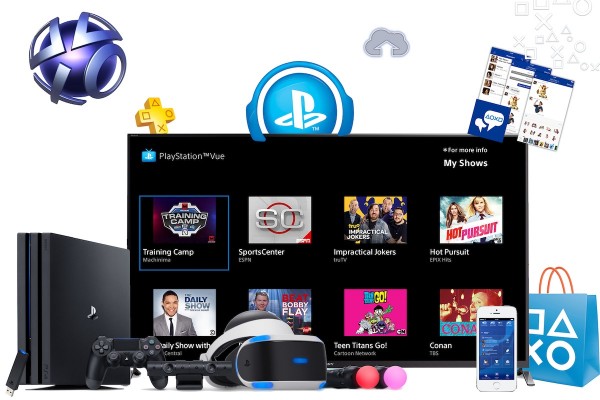
Since its Japanese launch on December 3, 1994, PlayStation, the now 21-year-old gaming division of Sony, has all been about making one thing: gaming consoles. Released on average every 5 years, Sony’s pattern with PlayStation by now is fairly predictable – release a console and follow through with a slim variant halfway through its life cycle. For Sony, the slim model has typically allowed them to give their aged console a smaller profile with improved internals for better efficiency such as power consumption and heat output.
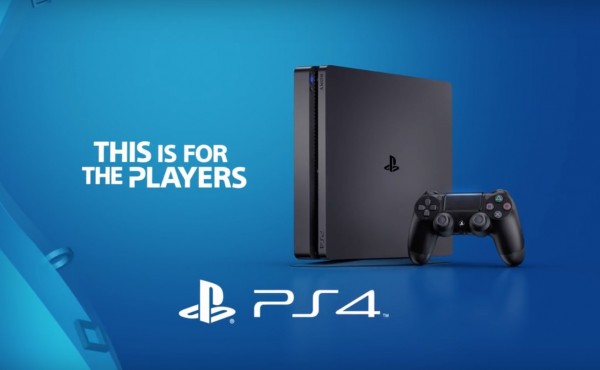
Along with those external and internal shifts, Sony typically introduces the slim models at a lower price point as well, which allows the console to see a greater adoption with consumers. If we condense all this to a simplified 5-year timeline, on year 1, a new console is released and on year 3, we get the slim variant. Then for the next two years, Sony enters into heavy R&D mode as they work on creating a followup console – rinse and repeat for 4 generations and we get to where we are today.
Beyond the slim models though, and excluding Sony’s endeavors into mobile with PSP and PS Vita, PlayStation has always been a single product. This is in direct contrast to say iPhone which can span multiple models in a given year with robust accessories and services on top of it. Think of it this way, Apple’s services business, which includes App Store purchases, Apple Music subscriptions and iCloud, accounted for $6 billion in revenue in just the last quarter, let alone the monster money that they make from hardware like iPhone and accessories.
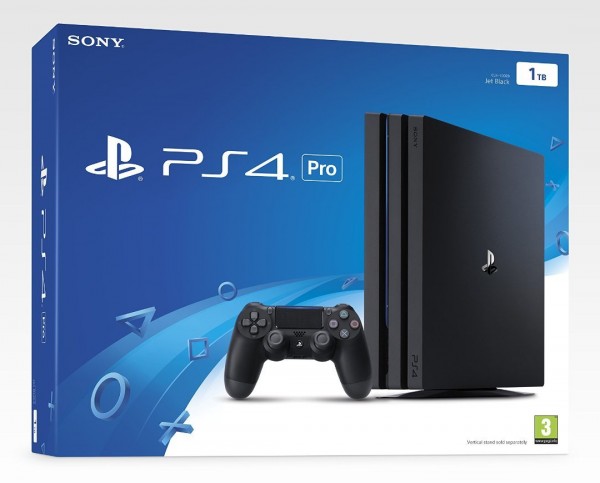
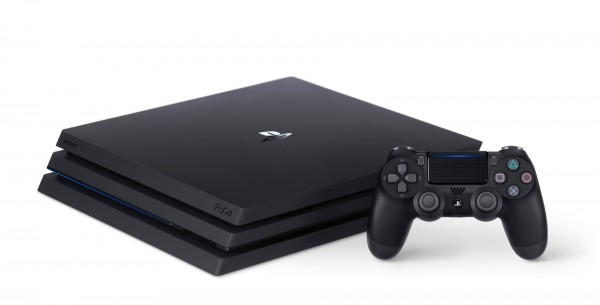
When you’re a single product, trying to achieve that type of success is not really possible and the future remains fairly consistent – release new hardware, improve internally, release new hardware, improve internally, etc. To that end, up until PS4 and really this past year, PlayStation was purely a product, but after the introduction of PS4 Pro in context with their actions of the past year, it’s becoming quite apparent that PlayStation is no longer a single product and instead, a well-envisioned company that reported a $3.21 billion in revenue during their most recent quarter.










You must be logged in to post a comment.