


Sony is wisely releasing PlayStation VR this October, just in time for the busy holiday shopping season. While launching a few months after Oculus Rift and HTC Vive, the extra time will ensure that PS VR won’t see the same type of manufacturing delays that has plagued Oculus while giving developers a few more months to polish their games. With more time to plan, Sony has been busy putting together strategic partners that will also help push PS VR and educate consumers, one of the biggest hurdles that face all VR companies. GameStop CEO Paul Raines:
We’ve played all the VR that’s come through our office, and the setup time for PlayStation VR is significantly easier and the space required to demo is small, so I expect we’ll have a lot of demos in stores, unlike the Oculus or HTC.
One of the key advantages that Sony has with PlayStation VR is how the unit is sold. Have a PS4 already? Then all you need is PS VR standalone package or the bundle which is pictured below. Starting from scratch? That’s also not a problem – here is a PS4 and PS VR bundle. This is direct contrast to Rift and Vive which require a PC. How does GameStop determine the PC you have at home is good enough to run VR beyond giving you the minimum specs required?

Even if the shopper happens to know their PC’s exact specs, a number of external factors can dramatically change how either VR headset performs once at home. And if they don’t have a PC or capable PC at home, does GameStop now get into the PC selling business? On the other hand, Sony makes it simple. You just need a PS4. John Koller, vice president of marketing at Sony Interactive Entertainment:
We want to create a large footprint in high-visibility stores to have front-window demo experiences
And it looks like they’re going to get that in a major way from GameStop. Here is their COO Tony Bartel:
We’re clearly going to be the key launch partner. We’ll be selling Sony PlayStation VR hardware, bundles, and games in stores.
For Sony, their first year target is PlayStation’s most hardcore users. According to Koller:
They’re active, buying a lot of games and really enjoy PS4. That’s going to be the early active PlayStation VR consumer.
From there, experience and word of mouth is going to be the key driver of PlayStation VR – or its demise. Unlike a new PlayStation, which is easy to explain (generally it’s more powerful with better visuals), VR is an entirely new medium that needs to be experienced. Once again, Koller:
Trial drives the conversion to purchase. You have to be able to go into a GameStop to try this. We’ll have a fantastic technology, but you need to get your hands on it.
And VR is expected to do big business. More on that after the jump.


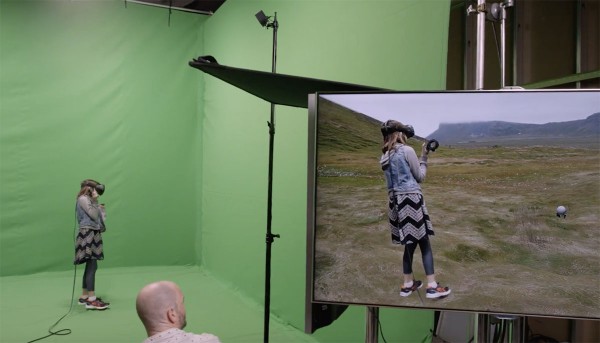
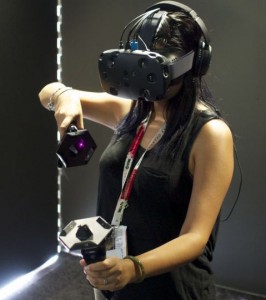 Those are questions that only time will tell but if VR is truly here to stay, experience is going to be its number one seller. Some things are inherently easy to understand when they’ve been around for some time. Here is the new iPhone and these are the extra things it does. Consumers can easily understand that in a commercial and gauge their interest accordingly. With VR, especially in its early days, consumers will have to not only be educated about it, but also experience it for themselves in order to have the feeling of being transported somewhere else – and that will be one of the biggest challenges facing Sony/Oculus/HTC, etc.


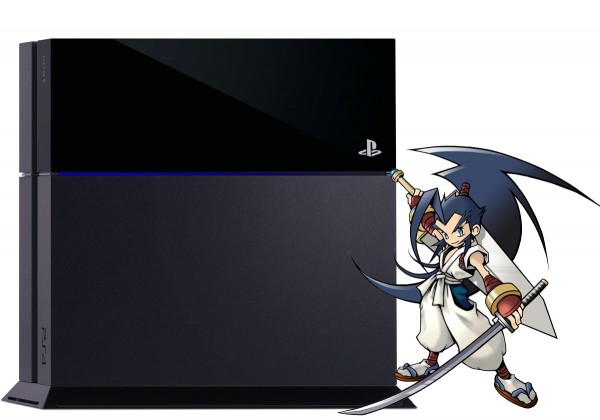 PS4 system update 3.5 is scheduled to arrive tomorrow as a free update and when it lands, it’s bound to have some big impacts on your gaming habits. Most interestingly is that with the latest update, Sony isn’t focusing on bringing new ‘features’ in the way we had with PS3 where media playback and other related options were always being expanded. Instead, PS4 system update 3.5 is mostly designed to bring additional social features to PS4 which gives you an indication of how Sony views the console.




You must be logged in to post a comment.